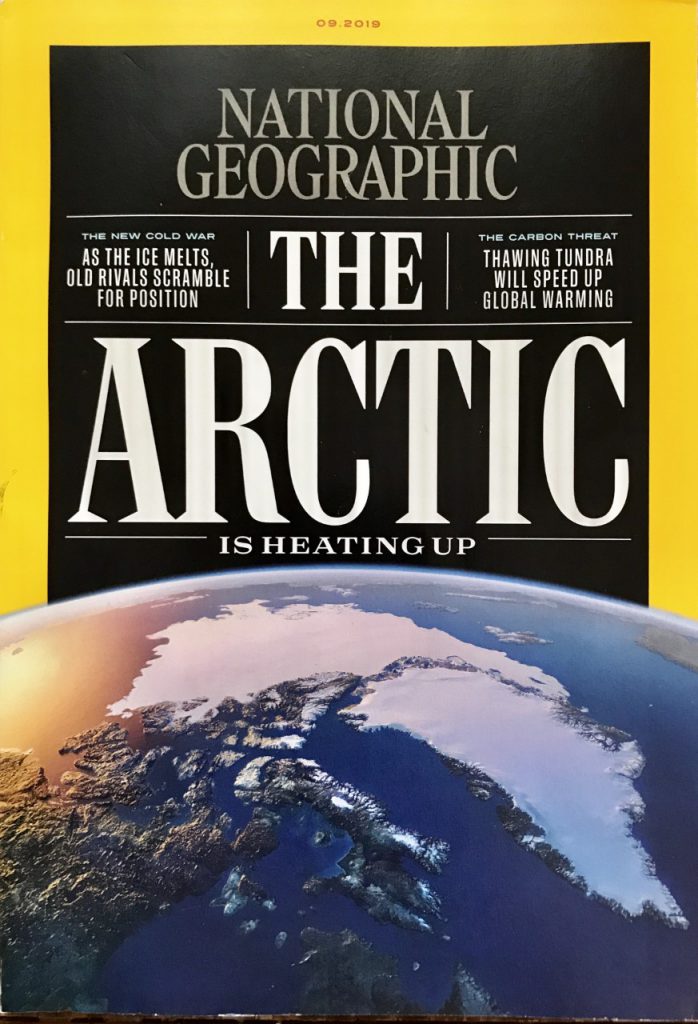
While doing research on agriculture, I read an article in National Geographic on farming and fertilizer the other night. And a major problem in America these days, and around the world for that matter, is artificial fertilizer with nitrogen that’s contaminating ground water, suffocating wildlife in lakes and rivers, and is even now creating big, aquatic “dead zones” in bodies of water like the Gulf of Mexico. (Yet another front in which we’re gradually destroying the environment.) As president, I would push for banning these artificial fertilizers and ramp up, exponentially, organic growing — across the board. Organic farmers Ron and Maria Rosmann, in Harlan, Iowa, spread no nitrogen on their fields and instead add nitrogen-fixing bacteria that live in nodules on the roots of legume crops like soybeans. “You organic guys can’t feed the world,” Ron says he hears. But he always replies: “That’s not true.”