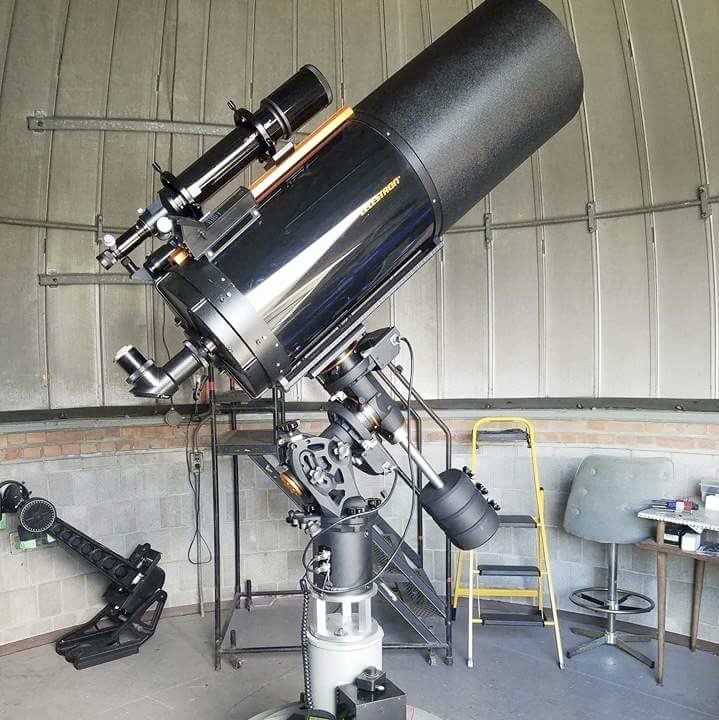
In recent weeks, I wrote a two-part article series, interviewing a local astronomer about the new James Webb Telescope. It sits 100 million miles out in space, and, in all, the project price tag was $10 billion. While I’m all for astronomy, I’m for astronomy within moderation/reason. This telescope (photo), which is in a local observatory, can’t see as far as Hubble, or the James Webb, but it can see pretty far. And on Friday evenings, local astronomers open the observatory up for parents and their children. They put on astronomy educational programs, let the kids look through the telescope, and so on. Sure, we’re curious about what’s beyond, but what’s near, as just one example, is the country of Afghanistan, which is economically collapsing and on the distinct brink of famine. And we don’t need a telescope to see that. Think how far the $10 billion we spent on the James Webb Telescope would go toward helping Afghanistan become sustainable again. America, and the “free world” in general, needs some level-headed, spiritual leadership that could realign things in a much more common-sense fashion.